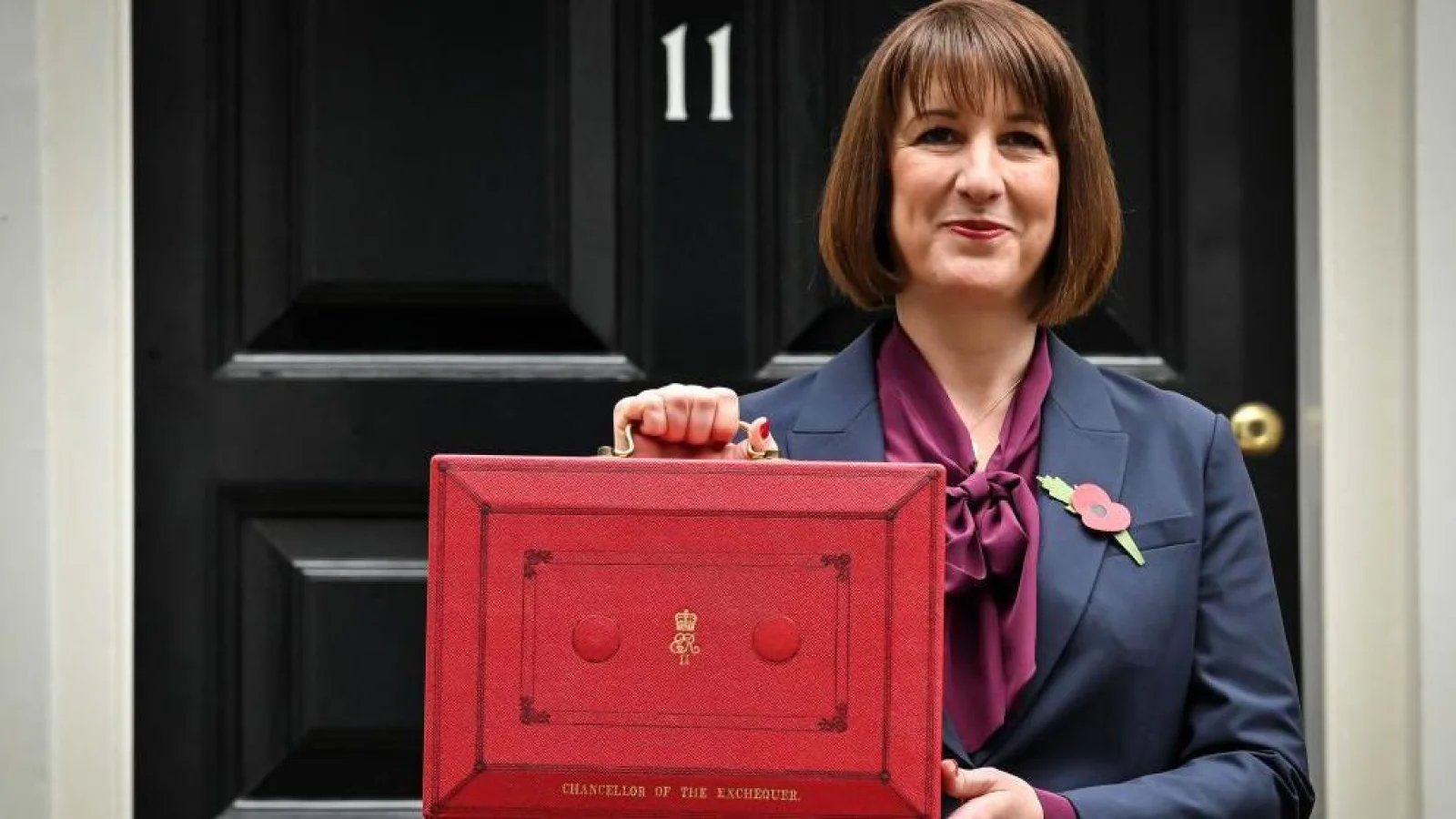
The Autumn Budget 2025 has finally landed, and while the headlines are dominated by big political soundbites, small business owners need to cut straight to the reality: the next 12 months are going to reward businesses that stay lean, plan ahead and keep a tight grip on cashflow.
This Budget wasn’t a giveaway. It wasn’t a disaster either. But it was a firm reminder that the Government is prioritising stability over sweeping support — and SMEs need to read between the lines.
Here’s what actually matters.
1. The VAT Freeze Continues — but Threshold Pressure Remains
The VAT threshold stays at £90,000, which means many small firms hovering near that line will continue to face a tough choice:
- Stay under the threshold and limit growth
- Or push past it and accept the jump in admin and pricing challenges
With inflation still stubborn, more businesses will naturally drift close to £90k — so expect more firms to register reluctantly over the coming year.
Takeaway:
If you’re sitting around £75–£85k turnover, plan now. Don’t let VAT registration catch you off guard.
2. Business Rates Relief Stays for Small High Street Firms
Good news for bricks-and-mortar businesses: the Small Business Rates Relief continues for firms with a rateable value below £15,000.
Retail, hospitality and leisure also retain their 75% relief. That’ll be a lifeline for:
- Shops
- Cafés
- Barbers
- Takeaways
- Local service providers
But, there’s still no long-term reform of business rates — meaning uncertainty continues for 2026 onwards.
Takeaway:
Use this relief window to invest in footfall drivers, marketing and pricing strategy. Don’t assume support will last.
3. Corporation Tax Bands Remain Unchanged
The main corporation tax rate stays at 25%. No movement. No surprise.
Small profits rate remains at 19%.
This means the existing tax burden remains baked in, and small companies with fluctuating profits will continue to straddle two tax environments depending on performance.
Takeaway:
If your profit is inconsistent year-to-year, tighten your forecasting. The tax bill will hit fast if you’re not tracking margins.
4. National Insurance Changes: A Mixed Bag
There’s relief for employees, but not much for business owners.
- Employee NI cut slightly — good for staff morale
- No major cuts for employers — payroll remains a big overhead
- No new incentives for hiring
Self-employed NI remains broadly the same, meaning sole traders don’t see the boost they were hoping for.
Takeaway:
Budget for payroll as usual. Don’t expect savings here.
5. Energy Costs: Still Climbing
Nothing in this Budget meaningfully lowers business energy bills.
Standing charges are rising. Commercial tariffs are still volatile. Support schemes remain limited and heavily targeted.
Takeaway:
If you haven’t reviewed your tariff in the last 3–6 months, you’re likely overpaying. It’s that simple.
6. Funding and Grants: Targeted, Not Broad
There are new funds — but they’re niche:
- Green tech
- R&D
- Innovation
- Advanced manufacturing
- Regional development for specific areas
Most micro and small businesses won’t qualify without a specialist advisor.
Takeaway:
If you want grant funding, go in with a plan — not a hope. Generic applications don’t cut it in 2025.
7. The Big Picture: No Surprises, but No Lifelines
For SMEs, this Budget is best described as “steady, not supportive.”
There were no sudden tax hikes. No major new burdens.
But equally, no real boost for everyday small businesses dealing with:
- Higher energy costs
- Wage pressures
- Red tape
- Slowing consumer spending
It’s stability without stimulus.
How Small Businesses Should Respond Now
If you want to stay one step ahead, here’s the practical move:
✓ 1. Review pricing before January
Your costs are rising — don’t let your margins shrink.
✓ 2. Lock in energy deals early
You can shave 10–20% off bills just by switching at the right time.
✓ 3. Forecast your VAT position
Don’t accidentally trigger registration.
✓ 4. Keep staff informed
Employee NI cuts give you a small morale boost opportunity — don’t waste it.
✓ 5. Watch cashflow weekly, not monthly
2025–26 will reward tight financial discipline.
Final Word
Small businesses didn’t get much from this Budget — but they didn’t get hammered either.
It’s a “hold steady” moment.
The businesses that adapt quickly, manage costs smartly, and stay on top of their numbers will come out stronger next year. The ones who coast will feel the squeeze.
Join the discussion
All comments are moderated before appearing on the site.
Leave a comment
No comments yet. Be the first to share your thoughts.