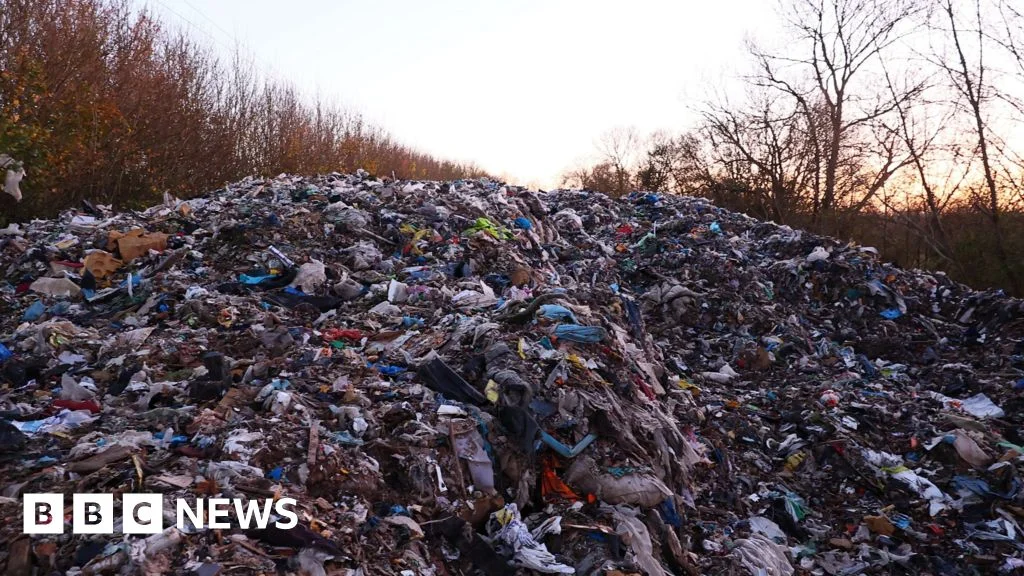
The Environment Agency (EA) is on the hook for millions in landfill tax as it attempts to tackle thousands of illegal waste dumps across England. This financial strain, particularly highlighted by the £4 million tax on a £15 million clearance project at Hoad’s Wood in Kent, raises critical concerns for UK businesses. The burden of these costs could trickle down, affecting operational expenses and compliance requirements for companies in the waste management sector.
Context of the Situation
Currently, the EA's policy regarding landfill tax is viewed as a significant deterrent to clearing illegal dump sites. With thousands of sites remaining unaddressed, businesses must be aware of the potential regulatory changes and associated costs that could arise from this ongoing issue. The implications for profit margins, staffing, and deadlines are considerable, especially for those in the waste disposal and environmental services industries.
Key Takeaways
- EA faces millions in landfill tax liabilities while clearing illegal dumps.
- £4 million of taxpayer money is allocated to a single clearance project.
- Policy changes may affect compliance costs for businesses.
What’s Changing?
The current policy framework is under scrutiny, and there may be forthcoming changes that could alleviate some financial burdens. However, until then, businesses should prepare for increased costs and potential regulatory shifts that could impact waste management practices.
What Businesses Must Do
- Review waste management policies to ensure compliance with current regulations.
- Monitor developments regarding landfill tax regulations and EA policies.
- Prepare for potential increases in operational costs due to tax liabilities.
In summary, the Environment Agency's financial obligations regarding landfill tax highlight a pressing issue for UK businesses involved in waste management. Companies should stay vigilant and proactive in adapting to potential regulatory changes that may arise as the situation evolves.
For actionable guidance, businesses should consult with environmental compliance experts and stay informed about any updates from the Environment Agency. Prepare for potential changes in policy and costs by reviewing internal waste management strategies. Stay informed with UKBN — the latest updates for UK business leaders.
Join the discussion
All comments are moderated before appearing on the site.
Leave a comment
No comments yet. Be the first to share your thoughts.